
Attention is a skill that develops gradually in children and does not emerge on its own. In the preschool years, children naturally have a shorter attention span, which is completely expected. Instead of long periods of sitting and demanding tasks, the best way to strengthen attention is through short, dynamic, and enjoyable games.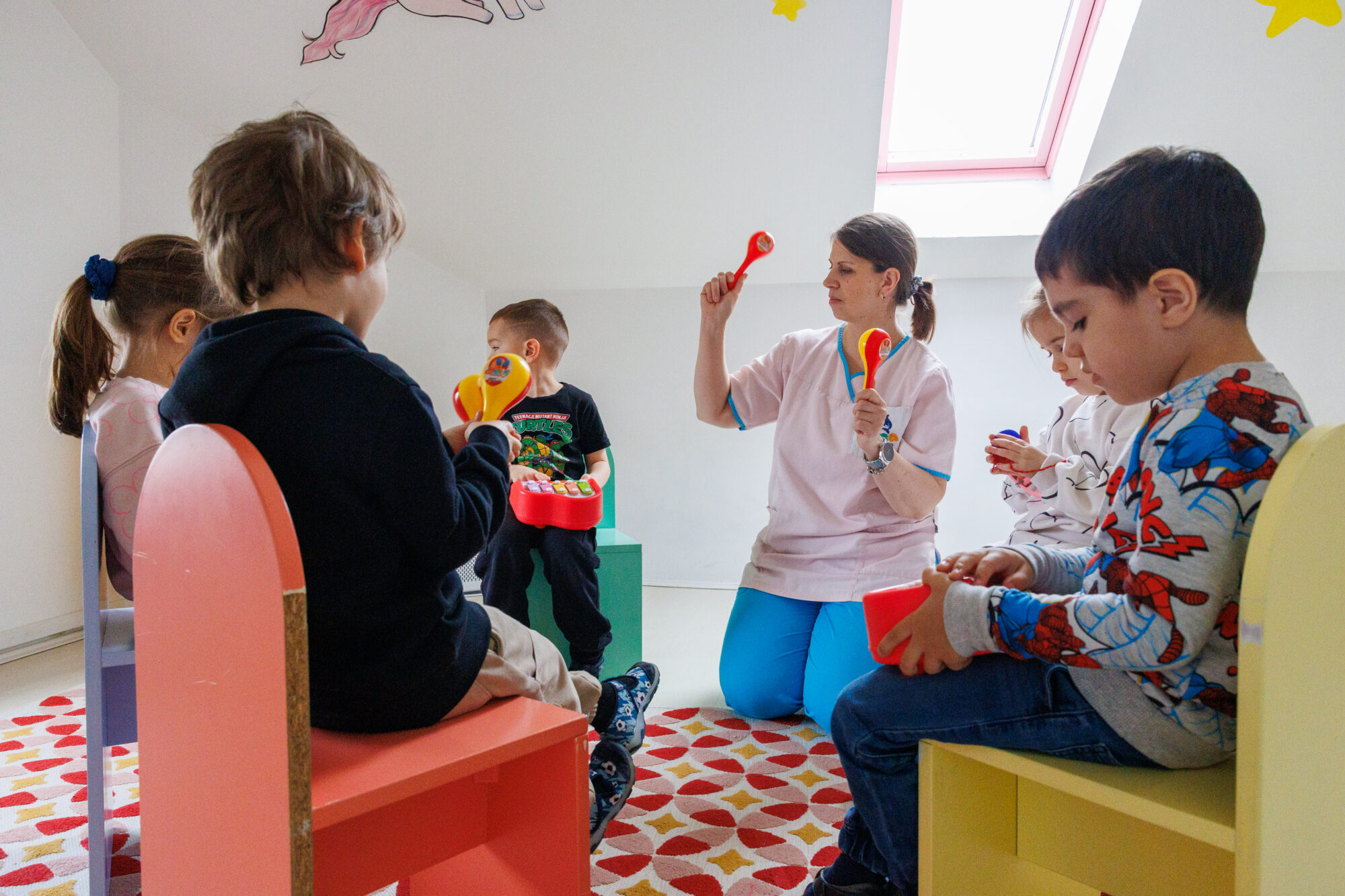
Why Is Attention Important?
The ability to focus and sustain attention is important for:
-
understanding instructions,
-
learning speech and new concepts,
-
social interaction,
-
later school skills such as reading and writing.
Attention is not trained “by force,” but through activities that are interesting and age-appropriate for the child.
How Do Games Help Develop Attention?
Through play, a child:
-
practices focus without feeling pressure,
-
learns to follow rules,
-
gradually extends their concentration time,
-
connects movement, speech, and thinking.
The key is to keep games short, clear, and frequently varied.
Examples of Simple Games to Strengthen Attention
1. “Watch – Listen – Do”
An adult gives short instructions (“Clap your hands,” “Jump once”). As the child progresses, the instructions can become more complex.
2. Imitation Games
“Do as I do” – the child follows movements, sounds, or facial expressions. This game develops both visual and auditory attention.
3. Find the Difference
Looking at pictures or objects and searching for small differences encourages focused attention and noticing details.
4. Listening to Sounds
Recognizing sounds from the environment (what can be heard outside, which object fell) strengthens auditory attention.
5. Task-Based Sorting
Sorting objects by color, size, or shape, but in short intervals.
How Long Should the Games Last?
For preschool children:
-
3–5 minutes is completely sufficient,
-
several short games are better than one long activity,
-
it is important to end the game while the child is still interested.
This helps build a positive attitude toward activities that require focus.
What Should Be Avoided?
-
Too many instructions at once
-
Correcting and criticizing
-
Comparing the child to others
-
Forcing the child to “concentrate”
Attention develops through support, not pressure.
Conclusion
Training attention in children does not mean sitting still and completing serious tasks. On the contrary—through short, playful activities, children learn to focus, follow instructions, and think. When play is enjoyable, attention develops naturally, and progress happens step by step.