
Some children in preschool or early school age choose one friend and spend most of their time with them. While some parents feel relieved that their child has a close companion, others worry whether this is a sign of withdrawal or difficulties in socialization. The truth is that this type of friendship is often completely natural and can have both benefits and challenges.
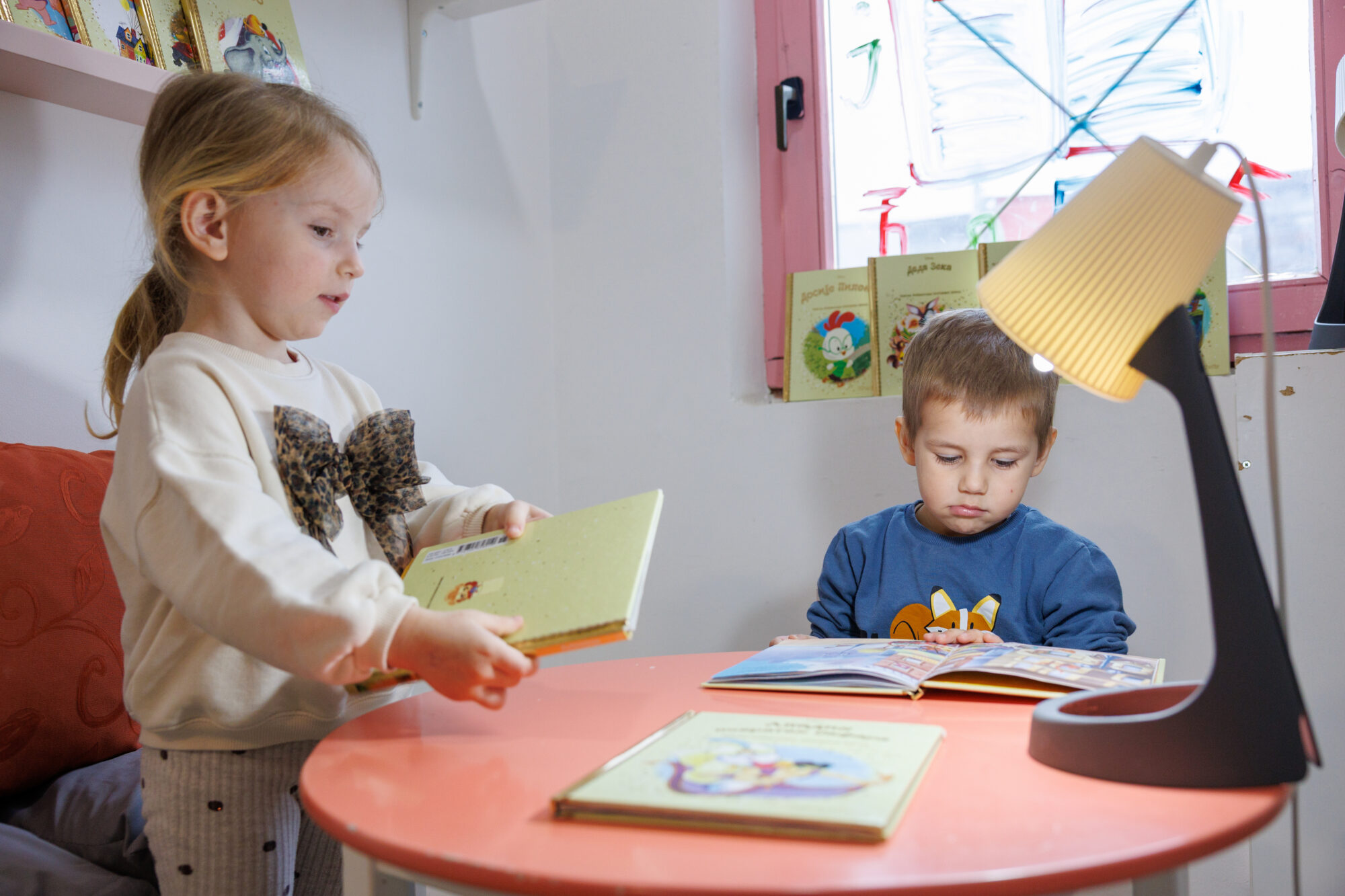
Why Do Some Children Bond With One Friend?
There are several reasons why a child may choose one close friend:
-
Need for security – one familiar friend provides a sense of stability within the group.
-
Similar interests and temperament – children connect more easily with those who are similar to them.
-
Development of closeness – the child learns what friendship, trust, and shared play mean.
-
Sensitivity to large groups – for some children, functioning in pairs feels easier than being in a larger group.
Advantages of Having One Close Friend
This type of relationship can play an important developmental role:
-
the child learns to build a deeper emotional bond,
-
develops a sense of belonging and trust,
-
expresses emotions and thoughts more easily,
-
learns how to resolve conflicts within a close relationship.
For some children, one stable relationship becomes the foundation for later expanding their social circle.
Possible Challenges
However, there are situations that call for attention:
-
the child avoids other peers,
-
becomes very distressed when the friend is absent,
-
shows dependency on a single relationship,
-
has difficulty participating in group activities.
These signs do not necessarily indicate a problem, but they may suggest that the child needs support in broadening their social experiences.
How Can Parents Support the Child?
1. Respect the existing friendship
Do not minimize the importance of this relationship. For the child, it is very valuable.
2. Gently encourage contact with other children
Invite other children to play and organize activities in smaller groups.
3. Talk about friendship
Through conversations and stories, help the child understand that they can have more than one friend, without any friendship losing its importance.
4. Cooperate with educators
In preschool settings, activities can be designed to encourage play in different group combinations.
Conclusion
Having one close friend is neither good nor bad in itself — it is part of a child’s developmental path. For some children, one strong friendship provides a sense of security, while others may need encouragement to expand their social circle.
With understanding, patience, and support, a child gradually learns to build different types of relationships and to feel safe both in one-on-one friendships and in group settings.