
Every child has their own rhythms — moments of play and curiosity, as well as moments of silence, withdrawal, and observation. Sometimes parents become concerned when a child becomes quieter than usual, communicates less, or turns inward. It is important to know that quiet periods are not always a sign of a problem; they are often a natural part of development.
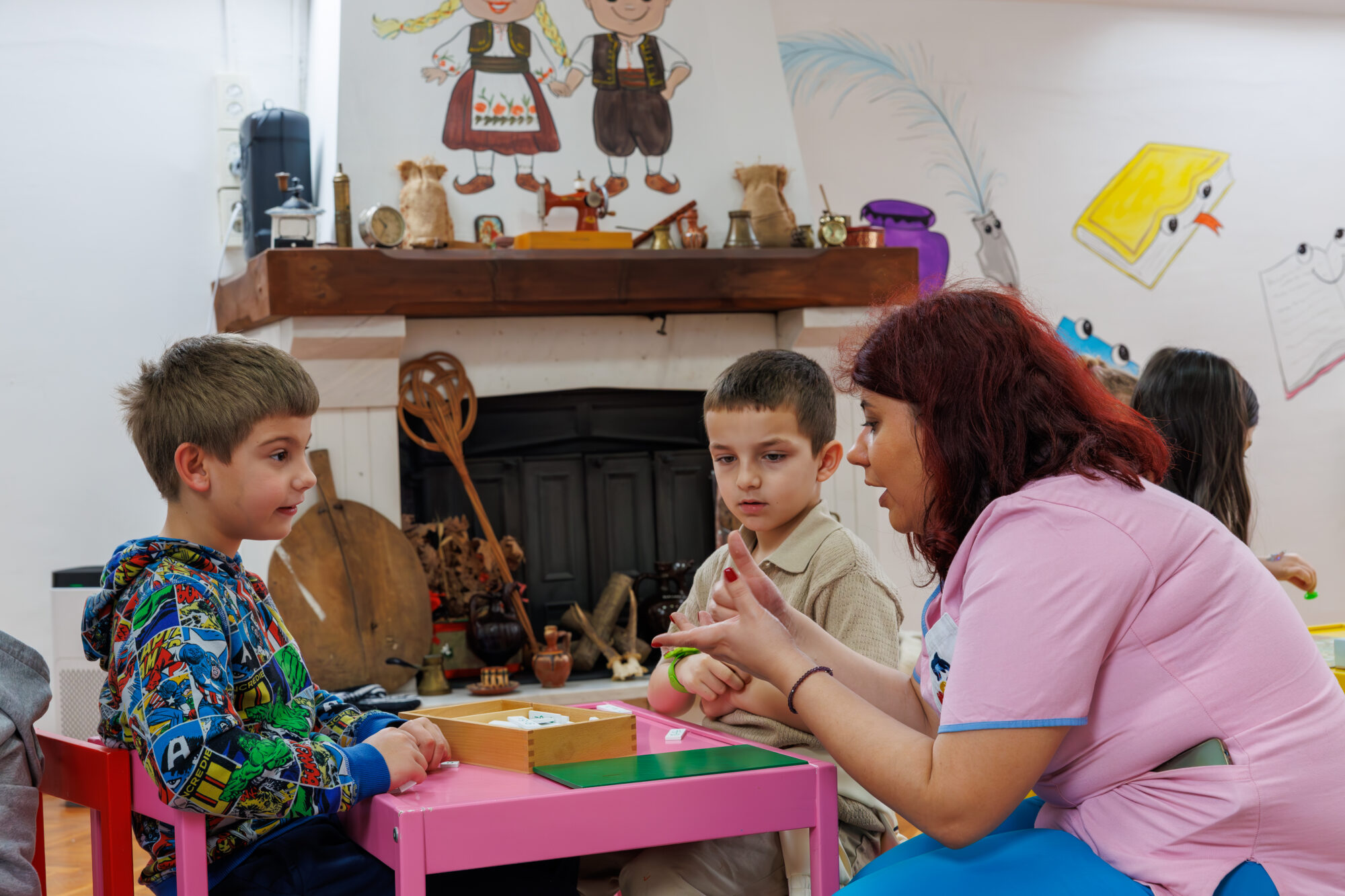
Why Do Children Have Quiet Periods?
Silence in children can have different reasons:
-
Processing new experiences – after new events, changes, or learning experiences, children need time to “sort through” their impressions.
-
Development of concentration – when a child is deeply engaged in play or thinking, they may appear withdrawn, but are actually mentally active.
-
Temperament – some children are naturally calmer and less verbal.
-
Emotional adjustment – silence can be a way for a child to regulate emotions or calm themselves.
In these cases, silence is a sign of inner work, not a lack of development.
When Are Quiet Periods Completely Normal?
Quiet periods are common when a child:
-
is entering a new environment (preschool, a new group),
-
is tired or overstimulated,
-
is absorbed in independent play,
-
is going through developmental changes.
In these situations, with patience and support, children usually return on their own to their usual level of communication.
When Is Additional Support Needed?
It is worth paying attention if the silence:
-
lasts for a long time without change,
-
is accompanied by withdrawal from play and relationships,
-
includes avoiding eye contact,
-
comes with regression in speech or behavior,
-
is paired with pronounced anxiety or irritability.
In such cases, talking with an educator, speech therapist, or professional associate can help better understand the child’s needs.
How Can Parents Provide Support?
1. Respect the child’s rhythm
Do not insist on talking if the child is not ready. Silence is not disobedience.
2. Be available
Show that you are there when the child wants to talk — without pressure or interrogation.
3. Use play as a bridge
Through play, drawing, or storytelling, children often express what they cannot yet put into words.
4. Name emotions
“It seems like you’re a bit quiet today. It’s okay to feel that way.”
This helps the child understand and accept their emotions.
5. Provide a sense of safety
Predictable routines and a calm environment help the child feel secure and open.
Conclusion
Quiet periods in children are most often a normal part of development and a sign of internal processing of experiences. Silence does not mean stagnation — it often means growth.
With careful observation, patience, and empathy, parents and educators can recognize when a child simply needs time, and when additional support is needed. Most importantly, the child should know that they are accepted in their silence — just as much as in their talkativeness.