
When parents choose a kindergarten for their child, one of the most common questions is: how many children are in the group? Although it may seem like a minor detail at first, group size has a significant impact on a child’s daily experience, development, and sense of security.
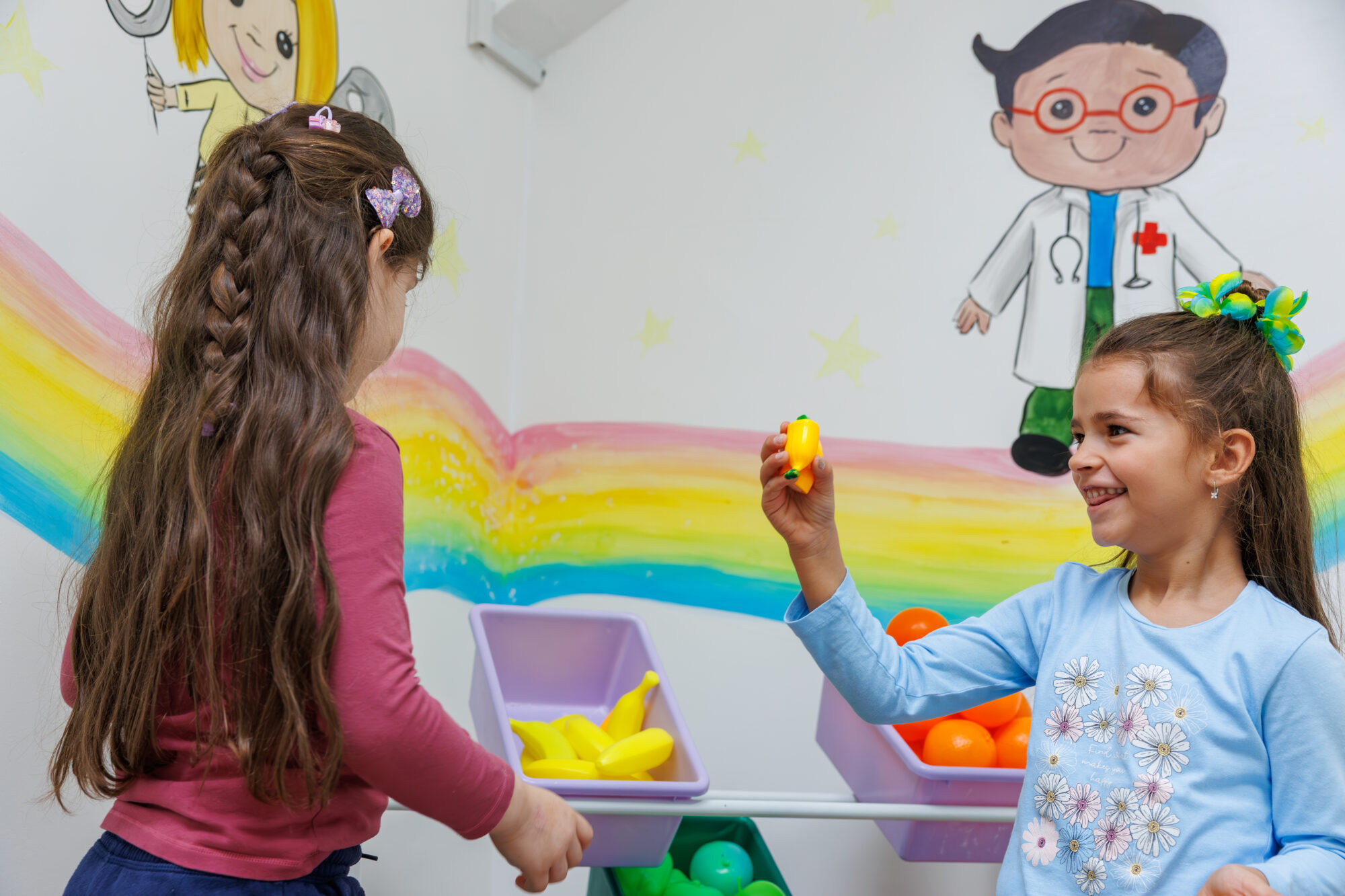
That’s why many parents pay special attention to the number of children in a group when choosing a private kindergarten.
More Attention for Each Child
When the group is smaller, the educator has more time to devote to each child individually. Preschool children have different needs, developmental paces, and ways of learning.
In a smaller group, it is easier to notice how a child feels, what interests them, and where they need support. That’s why, in a high-quality private kindergarten, educators can better monitor each child’s progress.
Easier Adaptation
Starting kindergarten is a big step for a child. A new space, new people, and new rules can create uncertainty, especially in the first few days.
Smaller groups allow for a calmer atmosphere and more time for adaptation. The educator can more easily help the child relax, join in play, and build trust in the new environment.
At Mega Kids kindergarten, special attention is given to ensuring that groups are tailored to children’s age and needs, so that every child feels safe and accepted.
Better Communication and Social Skills
Although children enjoy group play, too many children can sometimes create noise, crowding, and fewer opportunities for individual interaction.
In smaller groups, children find it easier to connect with peers, learn to share toys, communicate, and resolve small conflicts. This kind of environment supports the development of social skills, which are essential for later life and schooling.
A Calmer Learning Environment
A calmer atmosphere helps children focus more easily on play and activities. When there is less noise and fewer overwhelming stimuli, children feel more relaxed and enjoy what they are doing.
That’s why parents exploring private kindergartens in Belgrade often choose those that work with smaller groups.
Conclusion
Group size is not just an organizational detail—it directly affects the quality of a child’s experience in kindergarten. Smaller groups provide more attention, easier adaptation, and better conditions for developing social and emotional skills.
When choosing a kindergarten, parents should take this factor into account. In carefully organized kindergartens like Mega Kids, smaller groups allow children to grow in a safe, stimulating, and warm environment that supports their development.