
Starting kindergarten brings many wonderful things — new friendships, unforgettable play, learning through fun, and a rapid boost in social skills. However, shortly after the adaptation period, most parents notice something else: the child catches colds more often, their nose is constantly running, and coughing becomes the soundtrack of your evenings.
It’s completely natural to wonder: Does my child have a weak immune system? and How can I strengthen my child’s immunity in a group setting — without magic potions every morning?
Before you panic, it’s important to know that more frequent infections in the first months of kindergarten are completely normal. This is the first time the child’s body encounters a larger number of viruses and bacteria. The immune system is actually doing exactly what it’s supposed to do: learning how to defend itself and gradually building its “armor” for the future.
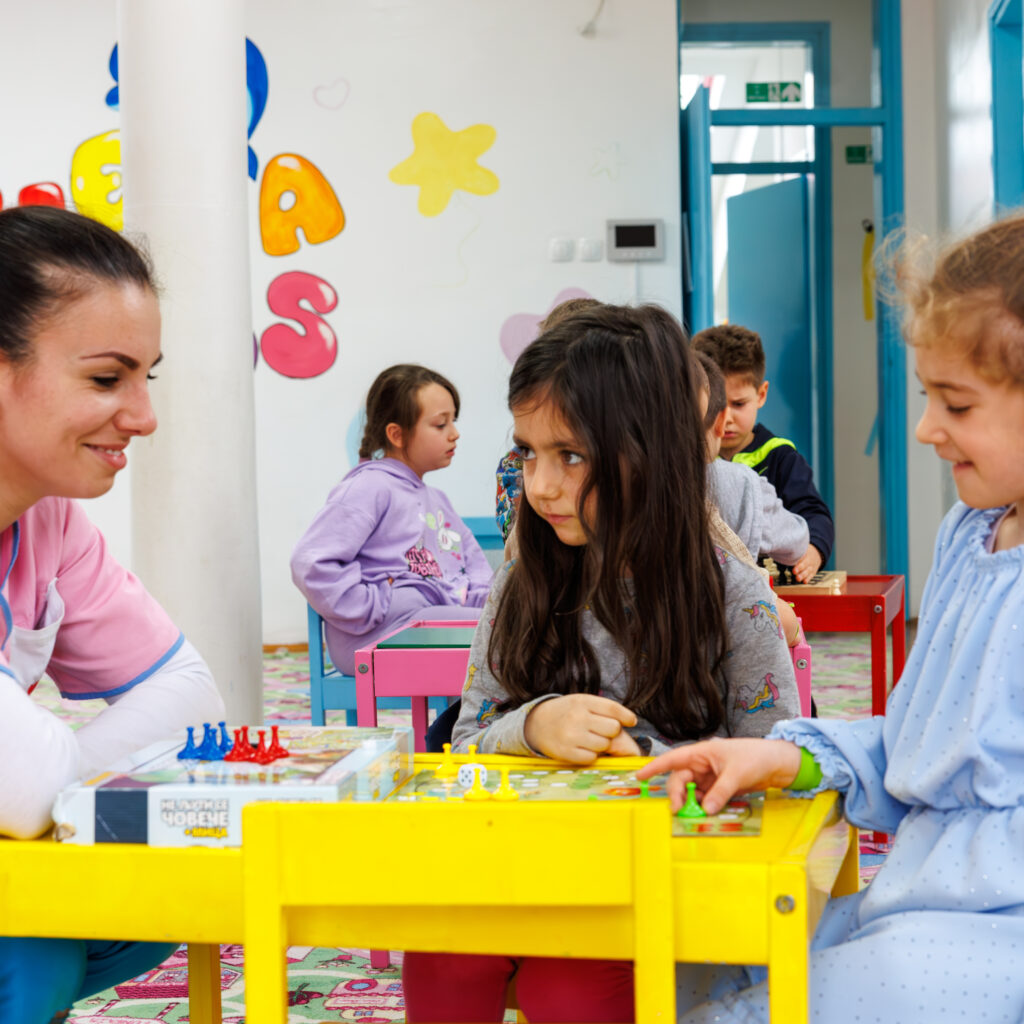
Why Do Children Get Sick More Often After Starting Kindergarten?
When a child moves from the safety of the family environment into a group setting, the number of contacts with peers increases dramatically. Children at this age explore the world with their hands and mouths, share toys, and spend time in close proximity to one another. As a result, exposure to various respiratory viruses is at its peak.
This does not mean your child’s immune system is weak. On the contrary:
The immune system develops and grows stronger precisely through encounters with microorganisms. Every cold a child recovers from is one successfully completed “training session” for their body.
Still, to help children get through this period as easily as possible — with fewer absences and milder symptoms — we need to build a solid foundation of health through a few key steps.
1. Proper Nutrition as the Foundation of Strong Immunity
What a child eats is the “fuel” for their defense cells. A child’s diet during development should be varied, colorful, and rich in nutrients.
To support your child’s immune system, make sure the daily menu includes:
- Fresh fruits and vegetables — natural sources of vitamins and minerals. Especially important are vitamin C (citrus fruits, peppers, berries), zinc (pumpkin seeds, meat), and iron.
- Healthy fats and proteins — quality meat, fish, eggs, and dairy products give the body strength for regeneration.
- Natural probiotics — yogurt and kefir are excellent for gut health, and it’s well known that as much as 70% of the immune system is located in the digestive tract.
- Hydration — sufficient water and unsweetened teas help keep the mucous membranes of the nose and throat moist, making it harder for viruses to get through.
2. Quality Sleep — Immunity’s Natural Ally
We often forget that passive rest is just as important as healthy food. During sleep, the body produces cytokines — proteins directly responsible for fighting infections and inflammation.
- How much sleep is needed? Preschool children need between 10 and 13 hours of sleep per 24 hours (including the afternoon nap).
- The consequences of fatigue: A chronically sleep-deprived child is more irritable, has a weaker appetite, and becomes significantly more susceptible to seasonal viruses.
Establishing a predictable routine (going to bed at roughly the same time every night) helps the child fall into a calm, restorative sleep more easily.
3. Fresh Air and Physical Activity (Rain or Shine!)
There’s an old saying: “There’s no such thing as bad weather, only inadequate clothing.” Spending time outdoors is one of the quickest and healthiest ways to toughen up a child’s body.
Running, jumping, playing at the playground, or riding a bike stimulates circulation and helps white blood cells travel through the body faster and recognize “enemies” more efficiently. Time in the sun is also crucial for the natural synthesis of vitamin D, which plays an irreplaceable role in the immune response.
Children who spend time outdoors regularly have a better appetite, sleep better, and adapt far more easily to seasonal temperature changes.
Healthy Habits Matter More Than Supplements
When autumn and winter arrive, pharmacies fill up with syrups and supplements promising “immunity overnight.” However, it’s important to emphasize: supplements for children have their place only with the consultation and recommendation of a pediatrician.
No syrup can replace the effects of a balanced diet, fresh air, and regular sleep. Immunity cannot be bought in a bottle — it is built gradually, day by day, through healthy habits the child adopts both at home and in their group environment.
How Kindergarten Mega Kids Actively Contributes to Your Child’s Health
The environment where your child spends most of the day plays a key role in their development and health. At Mega Kids, we understand every parent’s concerns, which is why we have created a setting that supports children’s health to the fullest.
In addition to carefully balanced meals prepared for our little ones and daily outdoor activities, we are proud to offer our preschoolers additional benefits:
- The salt room: Time spent in the salt room (halotherapy) has been shown to help clear the airways of dust microparticles, allergens, and viruses. The flow of dry, salty air has an anti-inflammatory effect, thins nasal secretions, and helps children breathe more easily — significantly reducing the frequency of kindergarten colds.
- Strict hygiene standards: Regular ventilation, toy disinfection, and encouraging children to wash their hands properly and often all reduce the spread of infections within groups.
Taking all of this into account, it’s clear there is no single magic wand for protection against viruses. Strong immunity is a puzzle we assemble every day — through enough sleep, quality food, time in nature, and a stimulating, clean environment that we build together.
So the next time your little one gets a runny nose after a few days in kindergarten, try not to despair. It’s not a sign that you did something wrong — it’s confirmation that nature is doing its job and that your child’s body is learning how to become resilient. With a little patience, the right habits, and the support we provide both at home and at Mega Kids, every future cold will be just a short, mild episode on the road to carefree growing up.