
Some children adapt easily to change and new activities, while others react very sensitively to anything new. Switching to a different type of play, a new meal schedule, or starting preschool can be stressful and trigger anxiety. This is not a sign of stubbornness or disobedience — it is simply the natural way some children process and understand the world around them.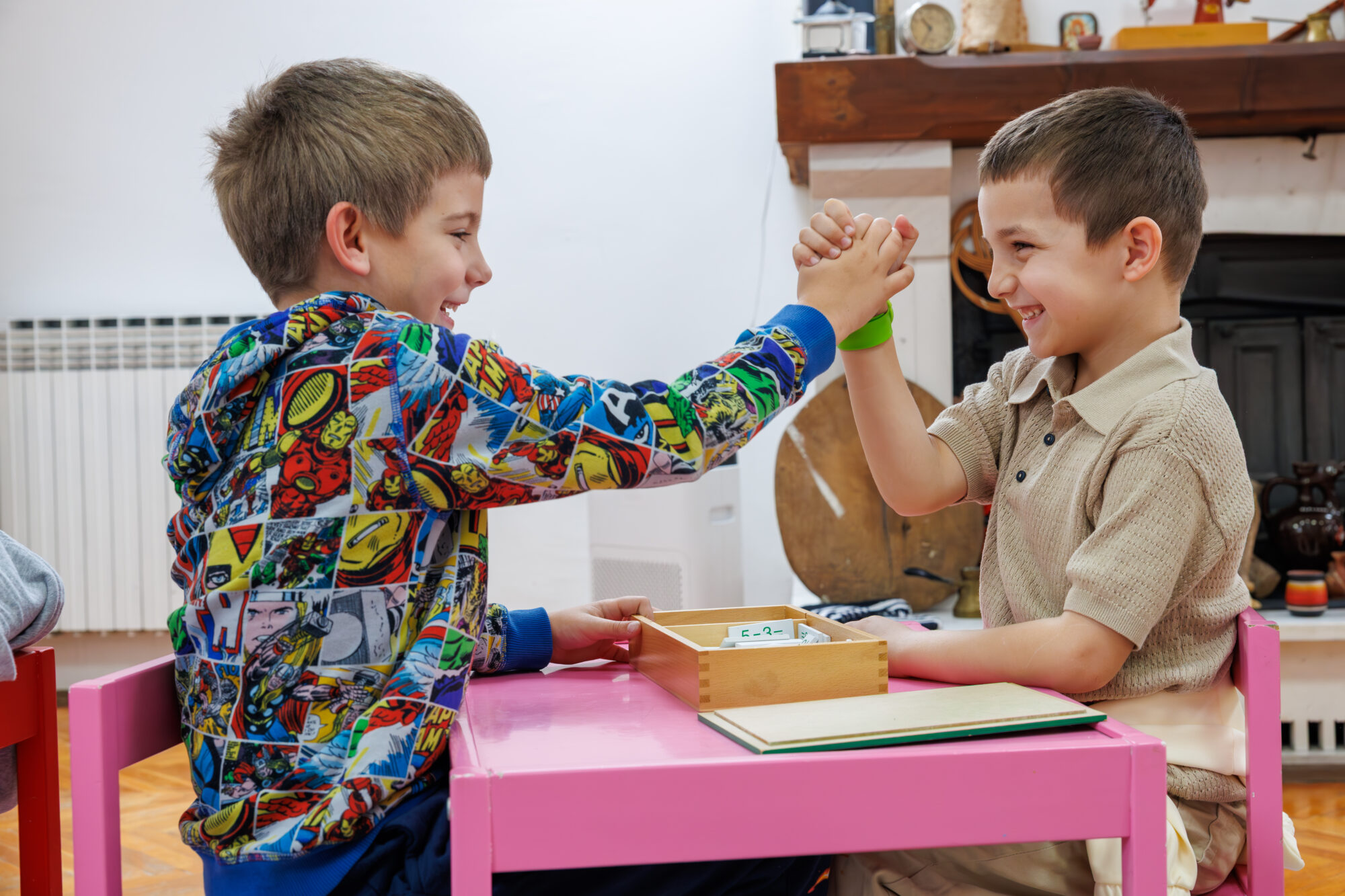
Why Do Some Children Struggle With Change?
There are several reasons why children may be sensitive to new routines:
A desire for predictability — order and habits provide a sense of security.
Learning and adaptation processes — a child’s brain gradually learns to accept new information.
Emotional sensitivity — they easily react to stress and need time to feel safe.
Recognizing this sensitivity and offering support is important, because otherwise the child may begin to avoid new situations.
How Parents and Educators Can Help
1. Introduce changes gradually
Sudden shifts often cause resistance. Instead of changing the schedule abruptly, introduce new activities step by step and prepare the child in advance:
“Tomorrow we’ll try a new game after morning circle time.”
2. Explain and talk about the change
Children need to understand what is coming. Talk about the change using simple and concrete language:
“We’re going to play in the other room. It will be fun because we can stack new blocks there.”
3. Allow time for adjustment
Don’t expect the child to accept a new routine immediately. Let them adjust slowly, without pressure. Small steps and repetition help create a sense of safety.
4. Involve the child in the process
When possible, allow the child to participate in shaping the new routine: choosing favorite toys, planning the order of activities, or helping decide the meal schedule. This gives them a sense of control and reduces resistance.
5. Praise effort, not just success
Acknowledge even the smallest steps.
“I’m glad you sat in the new spot during story time.”
Praise creates a positive association with the new routine.
6. Create a secure environment
Familiar activities in a familiar setting can be incorporated into a new routine. For example, a favorite game or song before nap time in a new schedule helps the child feel stable.
Conclusion
Children who dislike change are simply seeking security in the familiar. With patience, gradual introduction of new routines, and empathy, a child can learn to adapt without stress. With support from parents and educators, every change can become an opportunity to develop flexibility, confidence, and a sense of control.
New routines can be approached as an adventure that the child explores step by step, and every small achievement becomes a victory that strengthens self-confidence and emotional stability.