
Writing is a complex activity that requires well-developed fine motor skills, precision, and coordinated movements. Before a child picks up a pencil, it’s important to strengthen hand muscles through play, because strong and flexible hands make learning to write and draw much easier.
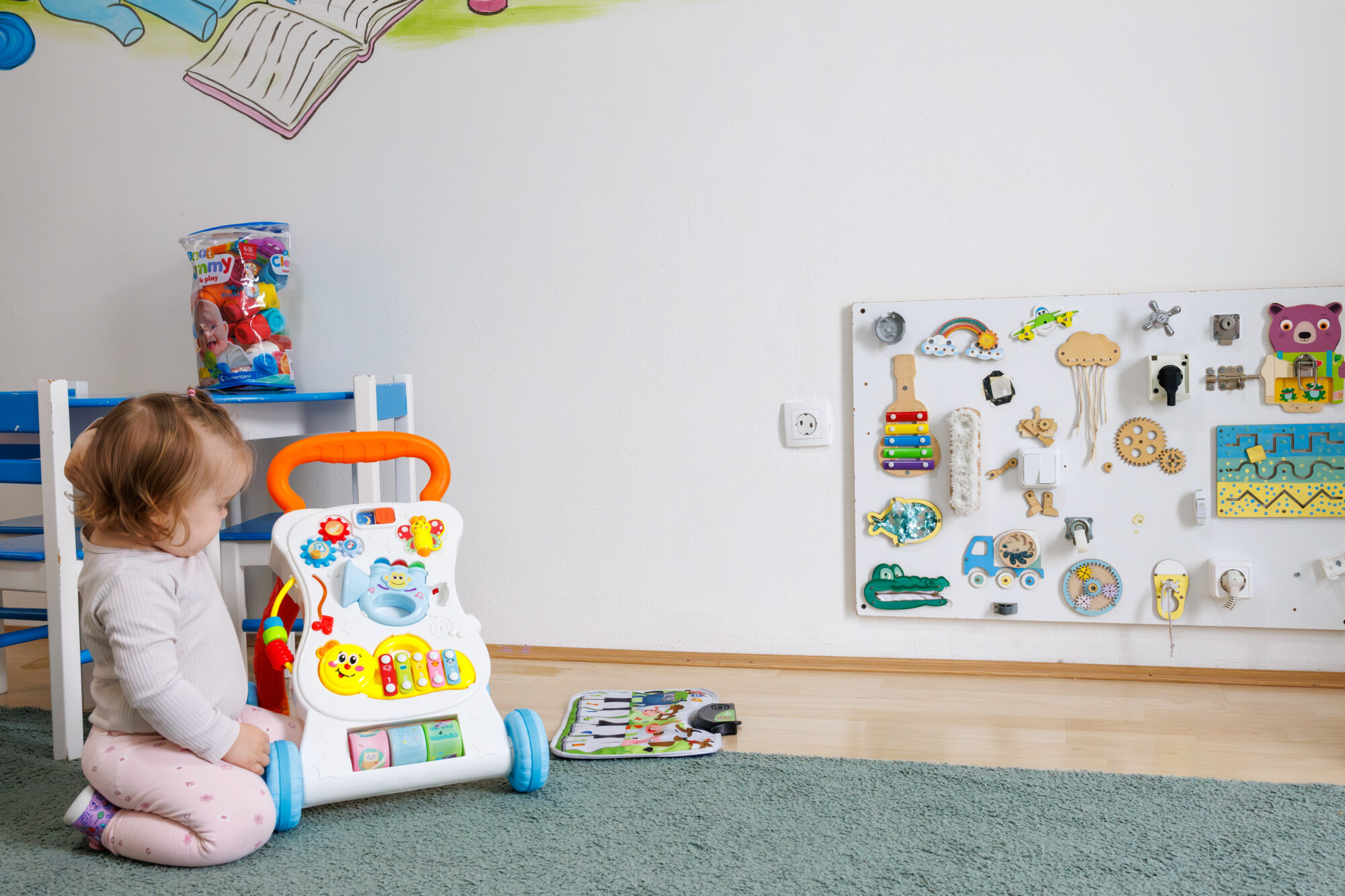
Зашто је развој мишића шаке важан
Снажни мишићи шаке и прсти омогућавају:
- бољу контролу оловке, боја или креде,
- прецизно хватање малих предмета,
- стабилно држање и манипулацију предметима,
- развој координације ока и руке.
Игре које развијају ову снагу не само да припремају дете за писање, већ и унапређују општу фину моторику и самосталност у свакодневним активностима.
Why Developing Hand Muscles Matters
Strong hand and finger muscles allow for:
- better control of pencils, crayons, and chalk,
- precise grasping of small objects,
- stable holding and manipulating of items,
- development of hand–eye coordination.
Activities that build this strength not only prepare a child for writing but also improve overall fine motor skills and independence in everyday tasks.
Games and Activities for Strengthening the Hands
1. Playdough and clay
Squeezing, rolling, and shaping playdough or clay activates the muscles of the fingers and palms. Children can make any shapes they want, which develops strength, flexibility, and precision.
2. Games with fastening and attaching
Use buttons, Velcro clothing, clips, or clothespins. Manipulating small objects develops precision and hand strength.
3. Handling small objects
Sorting, stacking blocks, threading beads, or playing with coins helps develop finger control. For example, the game “thread the bead onto the string” strengthens the fingers and improves hand–eye coordination.
4. Finger and fist games
Activities such as “carry a ball on a spoon,” “finger tapping to a rhythm,” or simple finger gym exercises help develop hand muscles, flexibility, and precise movement.
5. Squeezing and grasping balls or sponges
Stress balls, rubber balls, or soft sponges help strengthen hand and finger muscles. They are also great as a quick break during the day — fun and effective at the same time.
6. Drawing and painting on different surfaces
Drawing on tables, horizontal boards, vertical surfaces (wall boards, easels, flipcharts) strengthens the hand and fingers in ways that differ from holding a pencil on paper.
Tips for Parents and Educators
-
Keep activities fun and pressure-free — children learn best through play, not obligation.
-
Incorporate activities into daily routines, such as while tidying toys or helping clean.
-
Praise every effort — even if the result isn’t perfect, participation is what matters.
-
Combine different activities so hand muscles develop evenly and the child stays engaged.
Conclusion
Strengthening hand muscles through play prepares a child for literacy in a natural and enjoyable way. Playdough, threading beads, tossing balls, or drawing on vertical surfaces all develop fine motor skills, coordination, and confidence.
With regular, short, and varied activities, the child will more easily master holding a pencil, drawing, and writing — all without stress, through the joy of play.