
“Me first!” – a cry often heard among children when they have to stand in line, share a toy, or wait their turn to swing on a swing. For adults, waiting in line is an everyday occurrence.
For a child – that is a big challenge. Although it seems simple, patience is not an innate trait, but a skill that is developed gradually and with a lot of understanding.
Why is it difficult for children to wait their turn?
Toddlers live in the world of the present moment. Their needs, desires, and emotions are strong and immediate. When a child wants to play, eat, or take their “turn,” they want it right away—not because they are being mistreated, but because they still don’t know how to regulate their impulses.
In early childhood, the brain responsible for planning, organizing, and controlling behavior is still developing. That’s why it’s important to help them learn how to wait through everyday situations – and to see it not as a punishment, but as part of play and living together.
How to teach a child to wait their turn?
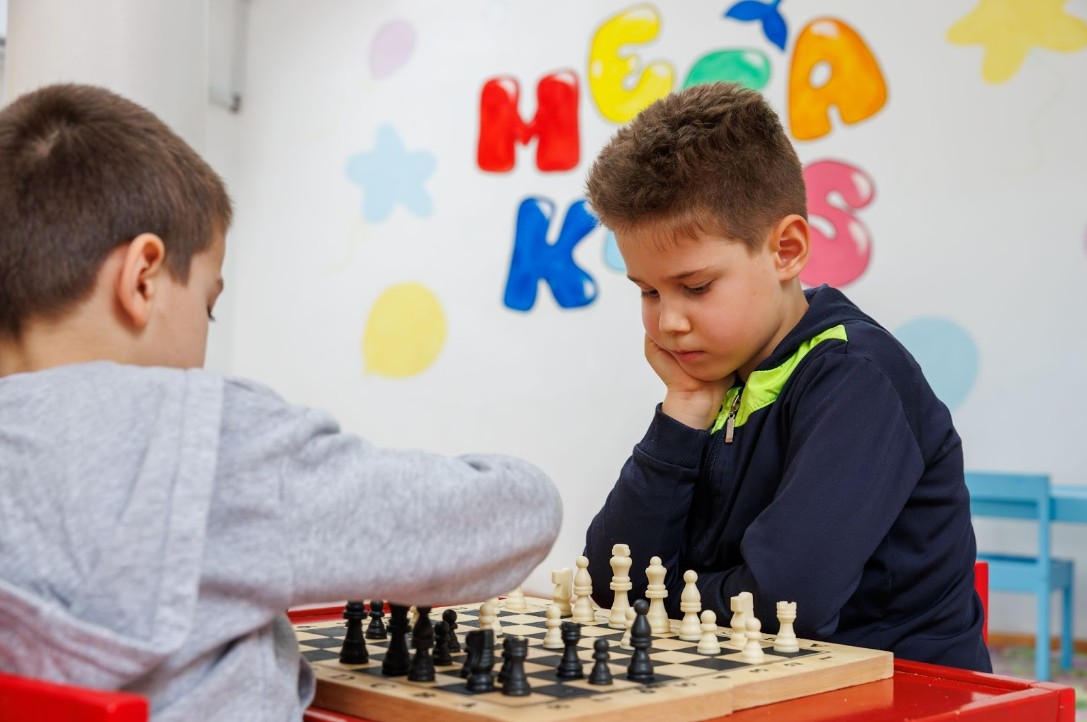
1. Learn through play Games like “Don’t be angry, man,” “The smart way,” or simply taking turns putting blocks together are great ways for a child to practice waiting. In play, a child has clear rules and sees that everyone is waiting their turn—which helps them develop a sense of fairness.
2. Naming emotions When a child can’t wait and gets upset, instead of criticizing, try to help them understand how they feel: “I know you’re impatient and can’t wait, but now it’s Luka’s turn.” When they recognize the emotion, it’s easier for the child to calm down and learn how to control it.
3. Praise effort, not just success If you notice that your child has tried to wait, even for a short time – praise them: “You waited your turn for the slide really well, well done!” This reinforces the behavior you want to see repeated.
4. Be consistent but gentle When you insist on order and respect for agreements, your child learns that the rules apply to everyone. But at the same time, don’t forget to be patient – your child learns through repetition and with your support.
5. Be an example Children learn most through what they see. If you show patience – whether in traffic, at the store, or at play – your child will adopt it as normal behavior.
Patience doesn’t come overnight.
Expecting a child to immediately master waiting at an early age is like expecting them to immediately learn to ride a bicycle without training wheels. There will be falls, excitement, and sometimes tears – but with support, the child will learn.
Waiting for your turn develops important life skills: self-control, empathy, respect for others, and a sense of community. When a child learns to wait, they don’t lose—they gain—the ability to better understand themselves and the world around them.
What does it look like at the “Mega Kids” kindergarten?
At the “Mega Kids” kindergarten, we work daily on developing social skills through play, shared activities, and conversation. Our educators carefully introduce children to situations in which they learn to wait, share, and exchange – without losing the joy of play.
Whether it’s waiting their turn to draw, eat, or get their favorite toy, we strive to turn these situations into learning opportunities, not sources of frustration. Through patience, support, and consistency, we help little ones develop important foundations for navigating everyday life.
Because a child who learns to wait has learned one of the most important lessons in life.