
In kindergarten, children learn every day how to communicate with their peers, teachers, and the world around them.
One important skill they need to develop is the ability to say “no” – when they don’t like something or don’t feel ready to participate in an activity. While it may seem like a small thing at first glance, teaching a child to set boundaries and express their needs without feeling guilty is very important for their healthy emotional development.
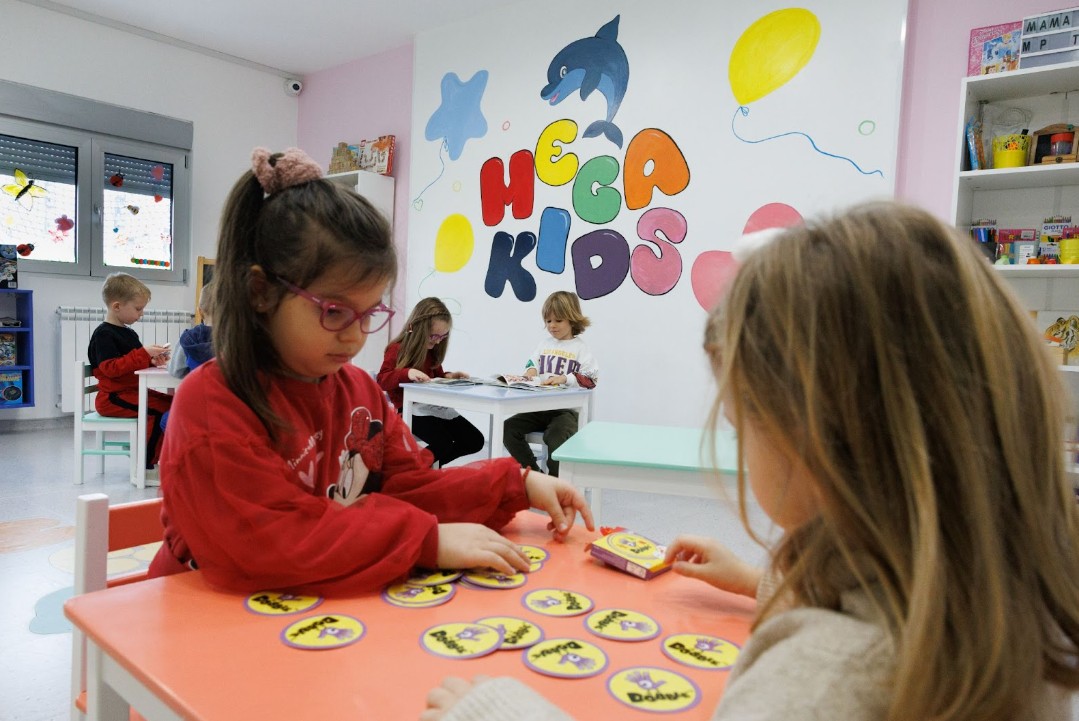
Why is “no” important for children in kindergarten?
Developing independence When children learn to say “no”, they also learn how to be independent and understand their own wants and needs.
Building trust If educators and parents support the child in expressing their “no”, the child feels safer and has the confidence to communicate freely.
Protection of personal boundaries In kindergarten, toddlers often come into situations where others encourage them to participate in games or activities. Knowing how to say “no” means protecting their space and feelings.
Encouraging emotional literacy Through rejection, children learn to recognize how they feel and how to express it in an acceptable way.
How to encourage children in kindergarten to say “no” without fear and guilt?
Create a safe environment It is important for children to know that their teachers and other children will understand and accept them even when they say “no.” This empowers them to freely express their wishes.
Use play as learning In puppet play or through stories, you can show how and when it is okay to say “no.” For example, a puppet can say “I don’t want to play right now,” and children observe and learn from that situation.
Talk about feelings. Help children name their feelings, such as, “I can see you’re not feeling well” or “It’s okay to say ‘no’ if you’re not feeling well.”
Show examples from everyday life When children refuse something, say: “Good for you for saying ‘no’, it’s important to know what you want.”
Encourage communication. Remind children that it is okay to ask for help and support when they don’t know how to say “no.” Educators can help and offer alternatives.
Never sanction refusal Children should not feel guilty or punished for not wanting something. Instead, they should be helped to understand that it is a normal part of learning and growing up.
Conclusion
For children in kindergarten, learning to say “no” means learning how to protect themselves and express their needs, but also how to feel safe and loved while doing so. Educators and parents have an important role to support this and show children that it is okay to have their own boundaries.
By encouraging this simple but powerful “no,” we build the foundation for healthy self-confidence and emotional independence from an early age.