
Many parents are surprised to see their child enjoying hours of hide-and-seek, whether hiding behind a curtain, a closet, or even under the bed. At first glance, it may seem like an ordinary game, but it hides important psychological and social aspects of a child’s development.
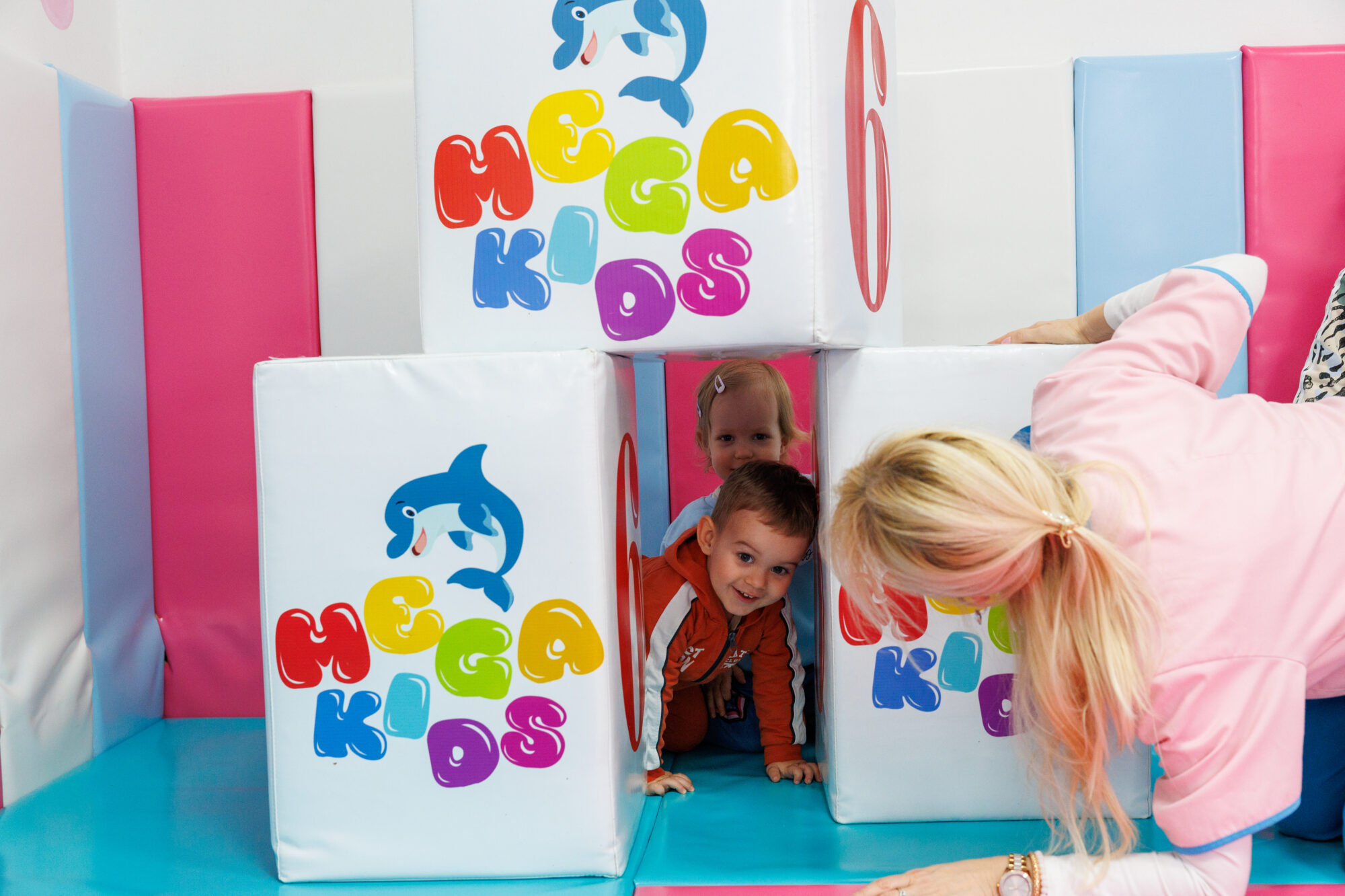
Many parents are surprised to see their child enjoying hours of hide-and-seek, whether hiding behind a curtain, a closet, or even under the bed. At first glance, it may seem like an ordinary game, but it hides important psychological and social aspects of a child’s development.
Hide and Seek – More Than Just Fun
The game of hide and seek has a long tradition in child development. It encourages curiosity, imagination, and motor skills. While hiding, a child practices body control and spatial orientation. Pretending and searching also develop cognitive abilities – the child learns to predict where others might be and how to stay unnoticed.
Beyond the physical aspect, this game is also an excellent way to nurture emotional intelligence. While hiding, the child learns to manage feelings such as excitement, joy, and even a little fear – all in a safe environment.
The Need for Security
Hiding is not always just a game. It is often a way for a child to express the need for security. New situations, changes in environment, or the presence of unfamiliar people can be stressful. When a child hides, they protect themselves and feel in control. This is especially visible in preschoolers, who are just beginning to learn how to manage their emotions independently.
Preschool teachers often notice that children hide when they need a break or some calm within the group. A short “withdrawal” allows the child to settle down and then rejoin play with friends.
How Parents and Educators Can Support This Need
- Accept the game – Instead of strictly saying, “Come out right now!”, parents can observe and even participate in the game, which strengthens the child and makes them feel safe.
- Provide a safe space – The hiding spot should be safe, clean, and accessible. This allows the child to explore without risk. Often, in places like Avokado playroom, children feel free to explore and hide without fear.
- Talk about feelings – After the game, you can talk with the child about how they felt while hiding. This encourages verbal expression of emotions and self-awareness.
- Gradually expand challenges – Once the child feels secure, you can introduce games that involve larger spaces or more participants, which fosters social skills.
Hide and seek for children is not just entertainment – it is a blend of play, emotional learning, and the need for security. Through this game, children develop motor skills, cognitive abilities, social skills, and emotional regulation. Parents and educators should support this type of play, provide a safe environment, and allow the child to explore the world in their own way.
So next time your child comes out of the closet with a wide smile, remember that you are witnessing an important moment in their development – a game that builds confidence and a sense of security.