
One of the sweetest moments in a child’s development is when, with great pride and seriousness, they say: “I can do it myself!”
It’s a small step for the child, but a huge one for their sense of confidence, responsibility, and belief in their own abilities. For parents, however, it’s the moment when they learn to take a step back – to observe, encourage, and trust.
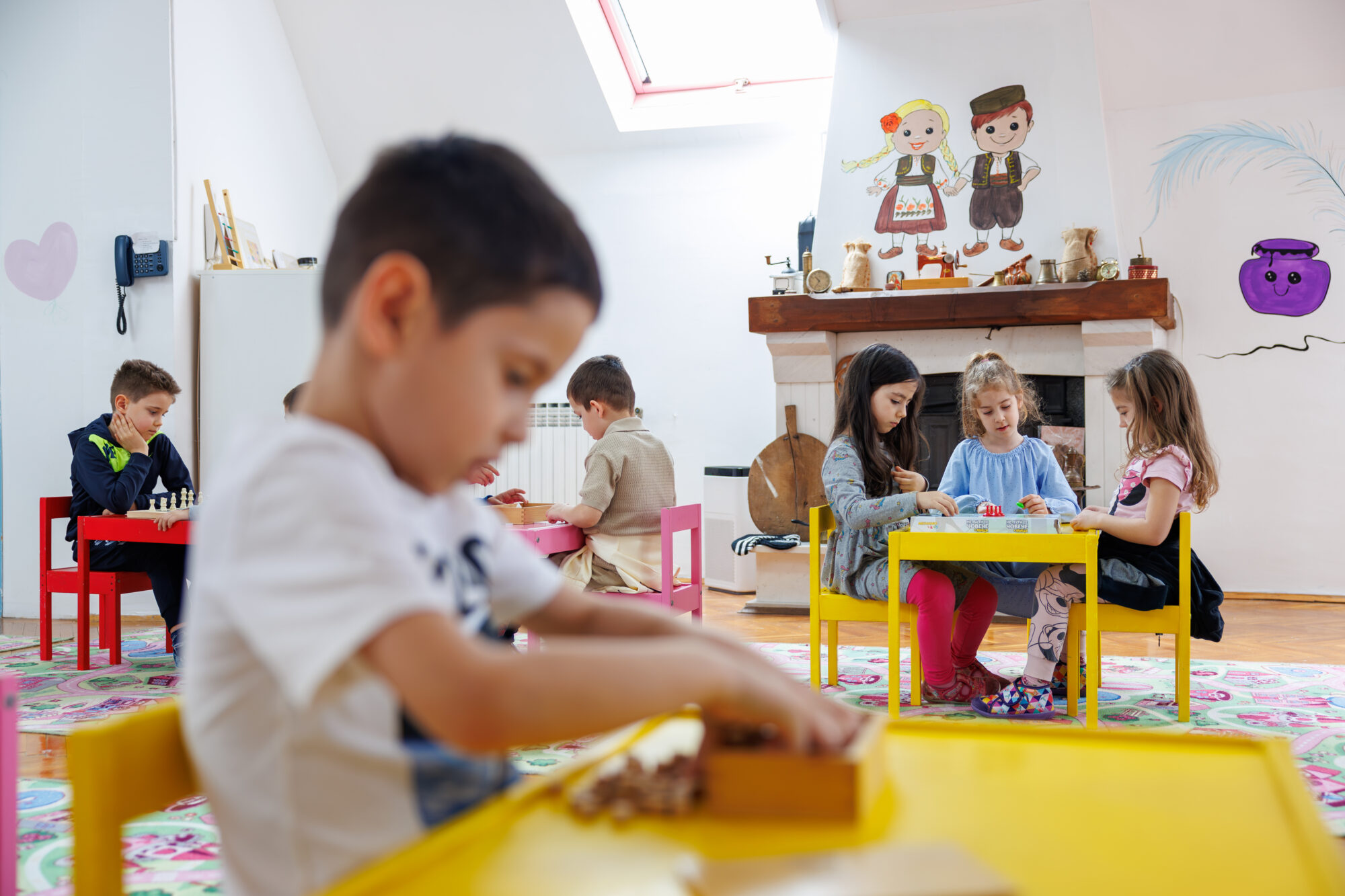
What Does Independence Mean in Early Childhood?
Independence is not the same as complete self-reliance. It means that the child has the opportunity to try, explore, and learn from their own experiences. This can be getting dressed, pouring water, tidying toys, or trying to spread butter on bread. Through these small everyday situations, the child practices coordination, motor skills, and concentration – but also learns that they can influence their own world.
Why Is It Important to Let the Child Try?
When we give a child the chance to do something on their own, we tell them: “I believe in you.”
Such support builds not only practical skills but also a sense of security and self-worth. If a parent constantly takes over, the child doesn’t gain the experience of how to persist, solve a problem, or deal with disappointment.
How to Support the Development of Independence?
Give opportunities. Let the child choose their own outfit or decide how to arrange their toys.
Be patient. There will be spilled water and shoes on the wrong feet – but every “imperfect” experience is part of learning.
Praise the effort, not just the result. “You really tried hard” builds more confidence than “Bravo, you did it!”
Create an environment that encourages independence. Make sure the child has access to their clothes, dishes, and toys – this makes learning natural and spontaneous.
Independence as the Foundation of Emotional Development
When a child feels supported and free to try, they develop inner security. This feeling follows them later – in preschool, school, and friendships. A child who believes in themselves builds relationships more easily, shows more initiative, and persists when facing new challenges.
Where Play Becomes the Best Teacher of Independence
Free play is one of the most natural ways for a child to explore, make decisions, and discover what they’re capable of. Places like the Avokado playroom have special value for this reason — there, children gain confidence and initiative through movement and play, without pressure or hurry.
In the end, the goal isn’t for the child to do everything alone, but to believe that they can try. Every “I can do it myself” is a step toward becoming a confident, curious, and self-assured person – and the greatest gift we can give them is our patience and belief in them.