
Every child goes through a phase when the world of imagination becomes part of their everyday life. During this period, children may “bring their toys to life,” talk to imaginary friends, or retell events that never actually happened. Parents often wonder – is this imagination or an attempt not to tell the truth?
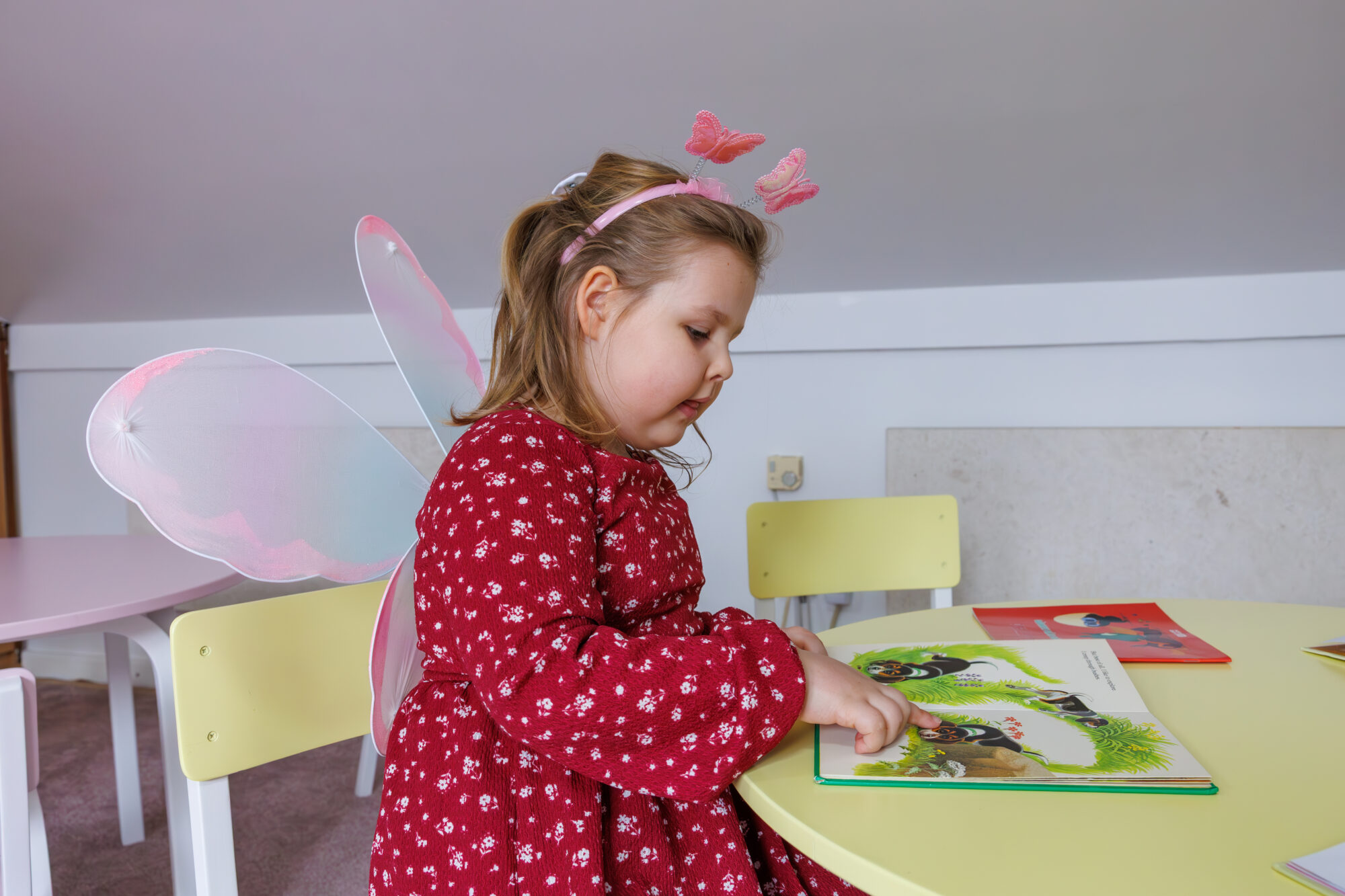
The truth is that inventing stories is a natural part of healthy development. Through it, the child learns to distinguish what is real from what is imagined, develops creative thinking, and builds the ability to understand the world. Imagination helps them process impressions, emotions, and situations they still don’t know how to express with words.
Instead of scolding them when they “exaggerate,” it’s important to show interest in their story. Ask how that imaginary event looked, who the characters were, what happened in the end – this shows them that you value their creativity and that it’s okay to freely express thoughts.
Through imaginative play and storytelling, the child not only practices language but also develops emotional intelligence. They learn to recognize emotions, understand the consequences of actions, and communicate more easily with peers.
So don’t rush to correct or “bring back to reality” every imaginative sentence they say. Let them enjoy their world of imagination – because that is where the foundations of future creativity, empathy, and self-confidence are built.