
Fairy tales are much more than just beautiful bedtime stories. They are one of the oldest and most powerful ways a child learns to understand themselves, others, and the world around them. Through the characters, symbols, and events of fairy tales, children develop their imagination, but also their inner emotional structure.
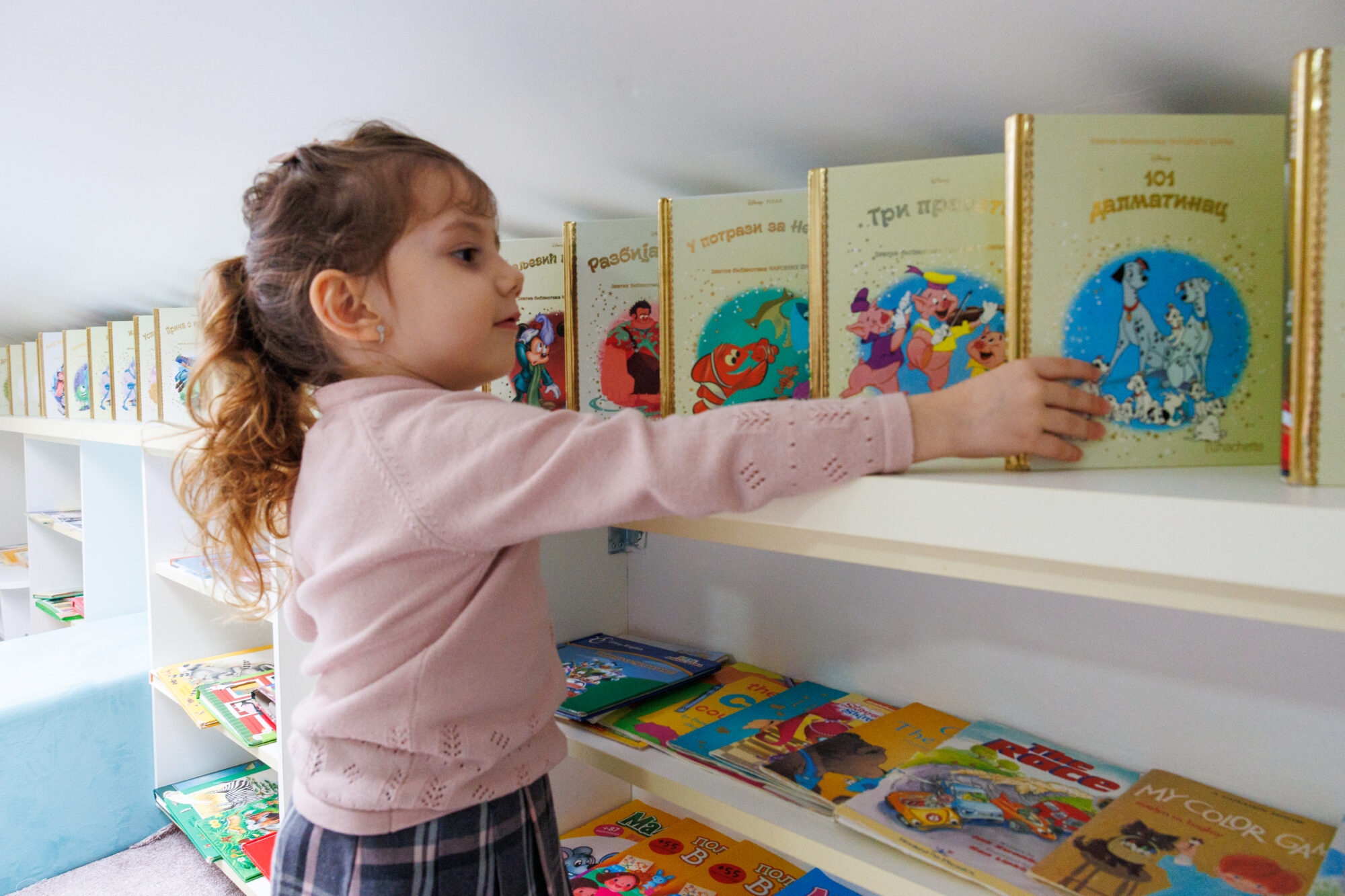
Fairy Tales as a Mirror of Children’s Emotions
While listening to or reading fairy tales, children easily identify with the heroes. Through them, they experience fear, joy, courage, sadness, and victory. In this way, they learn to recognize and accept their own emotions.
For example, when a child is afraid of the wolf in Little Red Riding Hood or worries about Cinderella’s fate, they are safely experiencing feelings that will later help them better understand real-life situations.
Fairy Tales Teach Empathy and Morality
Through fairy tales, children are introduced to the world of values – good and evil, courage, honesty, and kindness. By understanding the characters’ actions, a child begins to comprehend why something is right or wrong.
In this way, fairy tales become the first “teachers” of morality – but without imposing lessons, teaching through emotions rather than lectures.
Developing Imagination and Creative Thinking
Imagination is the foundation of emotional and cognitive development. When a child dreams of magical creatures or faraway lands from a fairy tale, they learn to think outside the box, find solutions, and believe in their own strength.
Fairy tales encourage children to imagine, create, and express themselves – through stories, play, or drawing.
Fairy Tales as Support in Difficult Emotions
When a child faces fear, jealousy, sadness, or separation, fairy tales can be a powerful tool for processing those emotions.
A story about a hero overcoming obstacles helps the child realize that they, too, can face and conquer their own “fears” and “dragons.”
How Can Parents Use Fairy Tales?
-
Read to your child regularly, but always talk afterwards. Ask what they liked, which character they loved, and which they didn’t.
-
Don’t avoid fairy tales that contain difficult emotions or challenges – they often carry the deepest lessons.
-
Adapt the story to the child’s age, but keep its essence.
-
Encourage your child to invent their own fairy tales – it nurtures imagination and confidence.
In the End – Fairy Tales Aren’t Just for Children
Through fairy tales, parents, too, can better understand what is happening in their child’s inner world. Every child finds themselves in a story, and every fairy tale becomes a bridge between reality and dreams.
So instead of seeing a fairy tale as just a “bedtime story,” let’s remember that it is one of the gentlest ways to help a child grow – emotionally, intellectually, and as a human being.