
Patience is one of the most important skills a child can develop, and it is often best learned through simple, everyday situations. From waiting their turn in a game to listening to a story or helping with household tasks, all these moments can become opportunities to build self-control and patience.
Why Patience Matters
Children who learn to be patient:
Manage their emotions and frustration more effectively.
Solve problems more easily because they know how to wait for the right moment.
Develop social skills by better understanding the needs of others.
Everyday Situations That Teach Patience
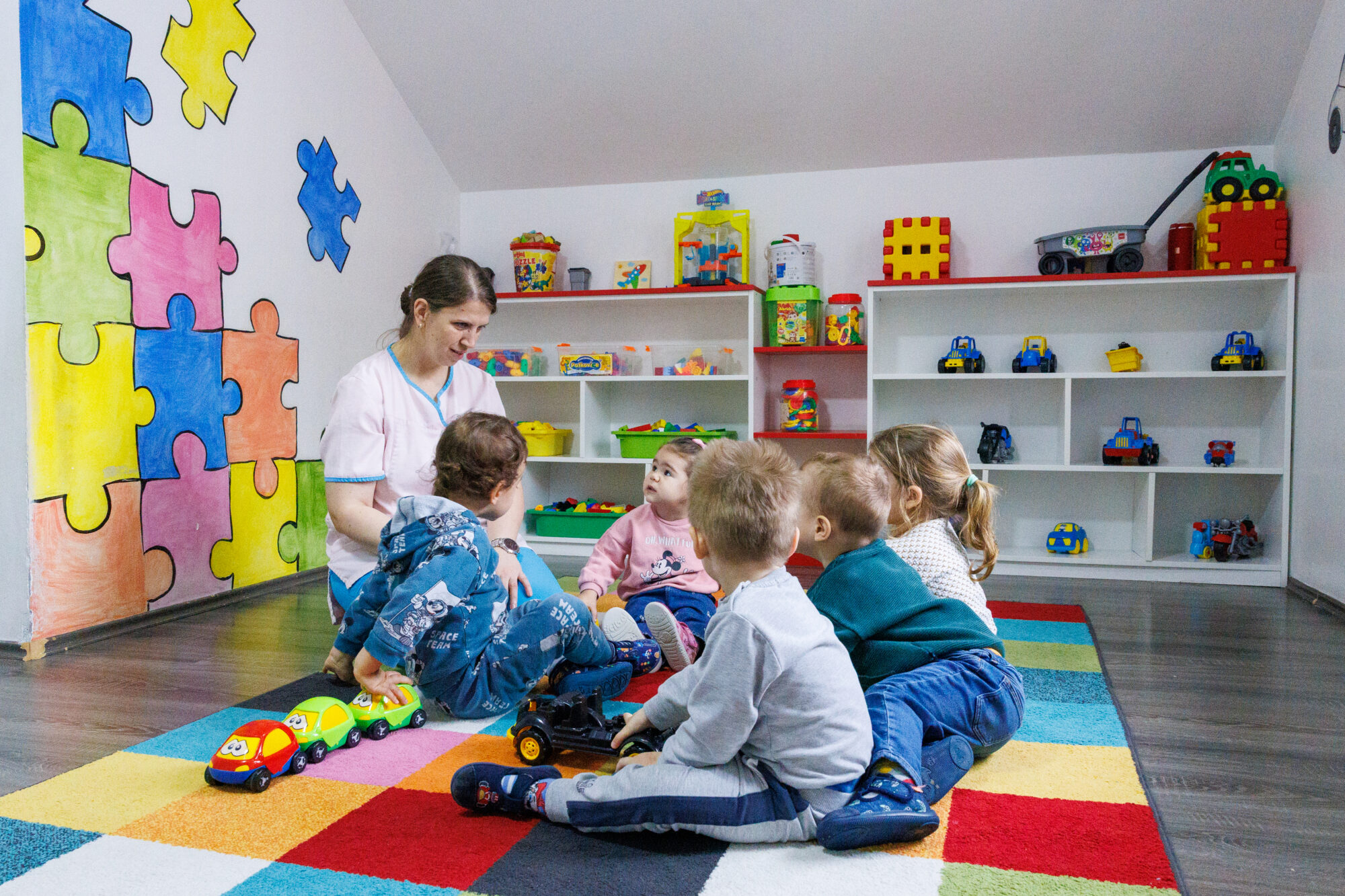
Waiting for their turn in play: When a child plays with others and has to wait for their turn, they learn order, game rules, and self-control.
Helping with household tasks: Setting the table, stirring dough, or watering plants requires time and attention. The child learns that results don’t appear instantly, but gradually.
Stories and songs: Reading or singing a song to the end—even if the child wants the story repeated—encourages their ability to listen and wait.
Sorting and organizing: Grouping blocks, toys, or books requires attention and patience to complete the task properly.
How Parents Can Support Patience-Building
Be a model of patience — children learn most by observing your reactions.
Praise the effort, not just the outcome — it’s important for the child to see that effort is valued.
Incorporate play — even simple activities like “waiting games” or “sequence games” can be fun and effective.
Conclusion
Patience is not something a child is born with — it is a skill developed through practice and everyday activities. By allowing the child to take part in simple situations where they must wait, take turns, or complete a task from start to finish, parents help the child gradually develop self-control, focus, and empathy. Everyday small opportunities can have a big impact on developing patience and preparing the child for future challenges.