How many times have you heard a child insist: “One more time!” — whether it’s about a bedtime story, a favorite song, or a game? At first glance, it may seem tiring, but for a child, repetition is more than entertainment — it is an essential part of learning and brain development.
Why Do Children Love Repetition?
Repetition is the way a child reinforces new information. Each repeated listening of a story or replaying of a game helps the brain connect new concepts, strengthen memory, and develop the ability to predict outcomes. Through this process:
- The child learns to recognize patterns and the structure of events.
- Cognitive skills are strengthened, such as attention, concentration, and understanding cause-and-effect relationships.
- Emotional security develops — repetition creates predictability that calms the child.
Repetition in Language and Speech
When a child asks for a story to be repeated, they are also practicing language. By repeating words, expressions, and rhymes, the child adopts new terms, learns proper articulation, and expands their vocabulary. This is crucial in the preschool years, when foundational language skills are being developed.
Repetition in Play
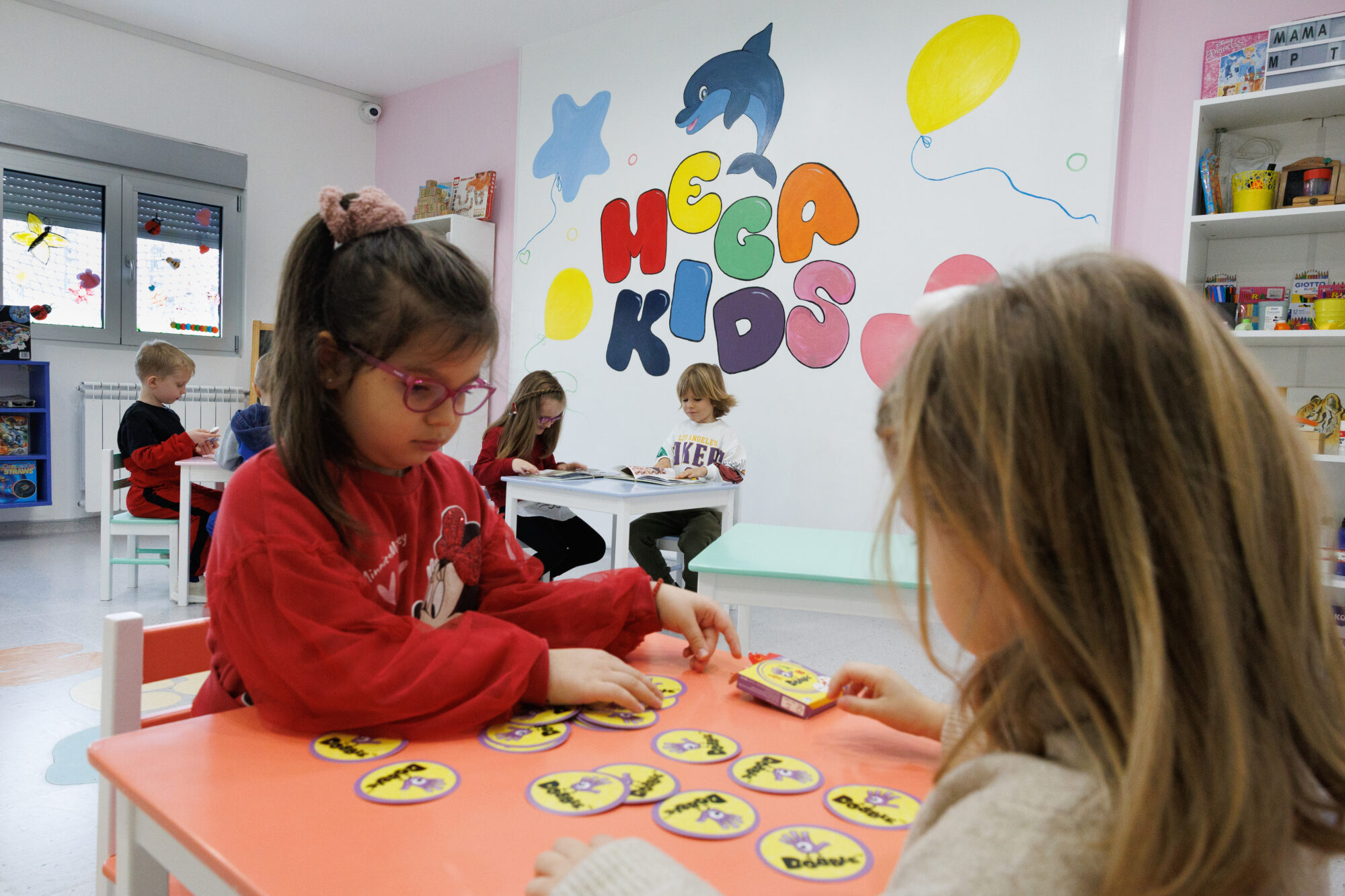
Repetition is not important only for stories and songs. Children often want to play the same game multiple times. By doing this, they:
- practice motor skills and coordination,
- explore different outcomes — what happens if they make a different decision or change the sequence,
- develop patience and planning abilities.
How Can Parents Support Repetition?
- Be patient — the child learns in their own way and at their own pace.
- Offer variety within repetition — introduce new variations of the game or story to maintain interest.
- Ask the child why they want something repeated — this builds awareness of the learning process and encourages independent thinking.
Common activities where children like to repeat steps, songs, or games can easily be found in various playrooms, such as the Avokado playroom, where children practice repetition through everyday play in a stress-free environment.
Conclusion
“One more time” is not just a phrase — it is a way for a child to build knowledge, acquire new skills, and feel secure in the world around them. Repetition is a natural, enjoyable, and effective method of learning that supports brain development, language growth, and social skills.
Allow your child to explore, practice, and enjoy repetition — because every “one more time” is a step closer to deeper understanding and growth.