
Many parents are surprised to notice that their child does things in kindergarten that they refuse to do at home—putting on shoes by themselves, eating without help, tidying up toys, and accepting rules more easily. Although this can sometimes be frustrating, it is a completely natural phenomenon and highlights the importance of the group setting and the structure provided by a private kindergarten such as Mega Kids.
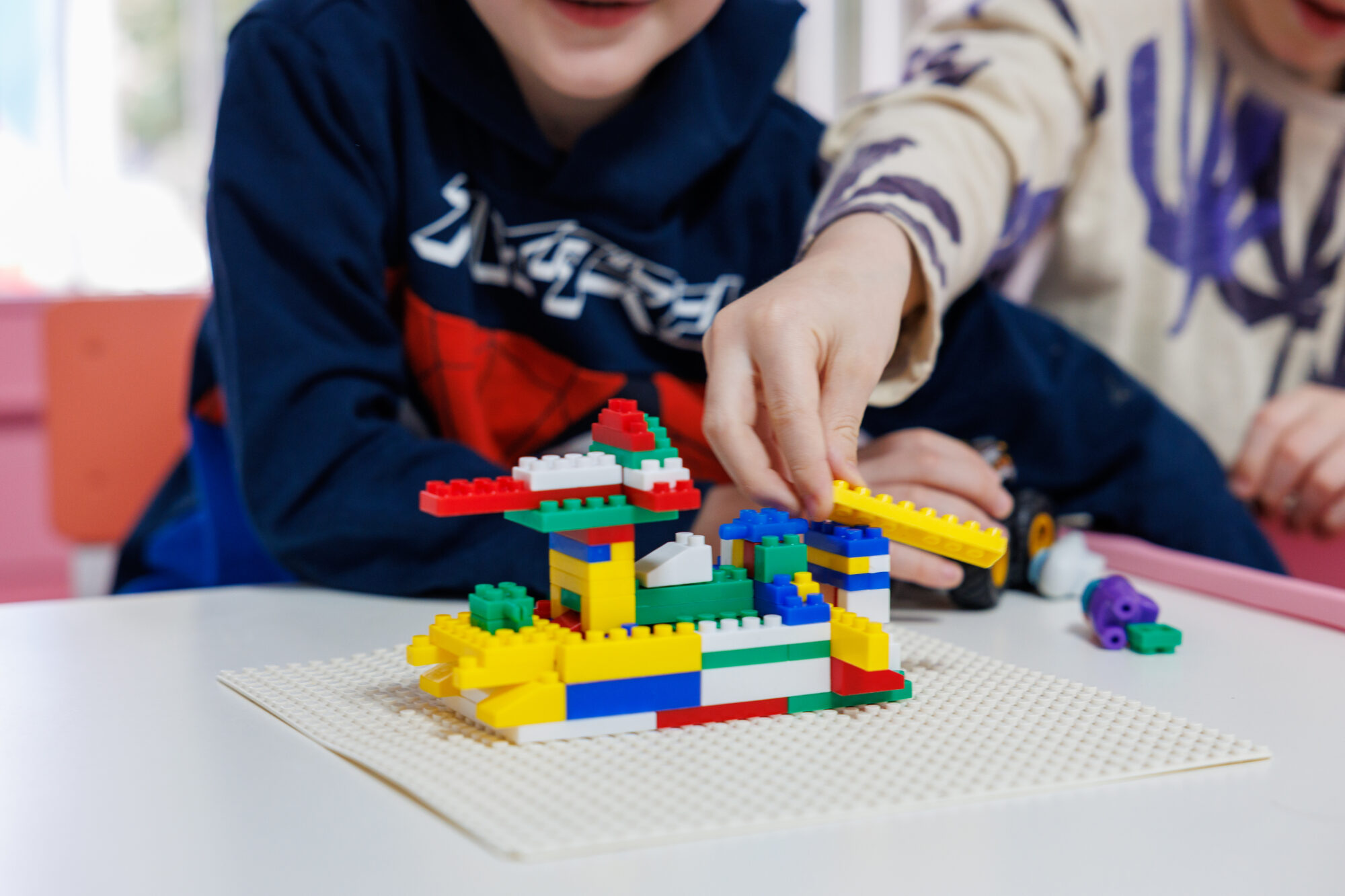
In well-organized kindergartens, daily activities follow clear routines. Children know what comes next, what is expected of them, and what their place is within the group. This predictability creates a sense of security, which is the foundation for developing independence.
Unlike the home environment, where parents often unconsciously step in to help in order to save time, kindergarten gives children the space to try on their own. Educators encourage children but do not rush to complete tasks for them. In this way, children learn to trust their own abilities and gradually take responsibility for small but important steps.
Another key factor is peer influence. In a group setting, children learn by observing others—when they see a friend pouring water independently or putting on a jacket, a natural motivation arises to try it themselves. This form of learning is extremely powerful and difficult to replicate at home.
At the private Mega Kids kindergarten, independence is not forced but developed through play, support, and positive encouragement. Each child is observed individually, in line with their developmental abilities, which is one of the advantages parents recognize when choosing a kindergarten.
An independent child is not a child left to manage alone, but a child who has secure support to grow. That is why it is not surprising that children often make their biggest developmental steps precisely in kindergarten.