
What is your first memory of play? For many, it’s not a toy in the house, but mud after the rain, a ball on the grass, or hands full of sand. Children most often enjoy those games that involve freedom of movement, a touch of nature – and, yes, a little bit of dirt.
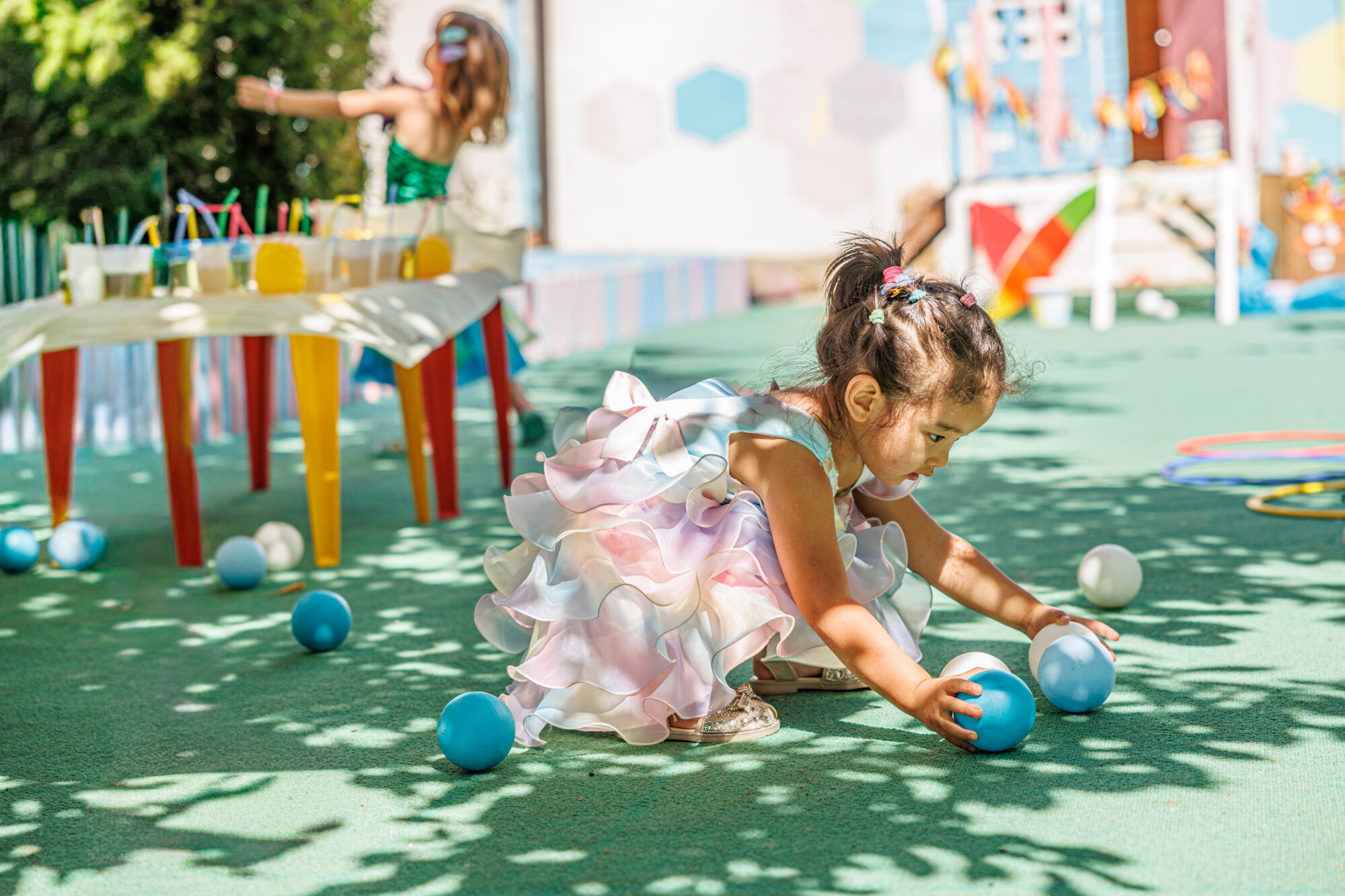
Even though parents sometimes cringe at the thought of muddy clothes or stains that “don’t come out in the wash,” it’s exactly those activities that bring children huge benefits.
What does a child learn while getting messy?
-
Sensory development – touching sand, mud, water, or clay stimulates the sense of touch and develops finger sensitivity.
-
Fine and gross motor skills – mixing mud, rolling in the grass, or jumping in puddles strengthens muscles and coordination.
-
Creativity – there are no instructions in nature. A child can turn mud into a cake, a stick into a magic wand, and a puddle into an entire “sea.”
-
Independence and confidence – when a child gets dirty and sees that it’s okay, they gain the feeling that they can explore the world without fear.
Mess as part of emotional development
Games that involve getting dirty are often also a way for a child to express emotions. Jumping in a puddle after the rain can be a burst of joy, rolling in the grass an expression of excitement, and making “leaf soup” a form of exploration and control over their environment.
When we allow them to get messy, we send the message: “Your curiosity matters. You are free to explore.”
What can parents do?
-
Dress your child in clothes that can get dirty.
-
Instead of saying “don’t,” offer boundaries: “You can play in the sand, but stay out of the flower beds.”
-
Bring a change of clothes – this will make you more relaxed too.
-
Accept that a little mud means a lot of joy and learning.
Final message
Children’s hands covered in paint, muddy shoes, or sand in their hair – none of these are signs of neglect, but of a lively, healthy, and curious childhood. Dirt washes off, but the experiences a child gains through this kind of play last forever.