
For many parents, weaning a child off the bottle or pacifier seems like a big challenge. Bottles are often not just a feeding tool, but also a source of comfort and security. However, at some point, it’s time for the child to take the next step – toward using a cup.
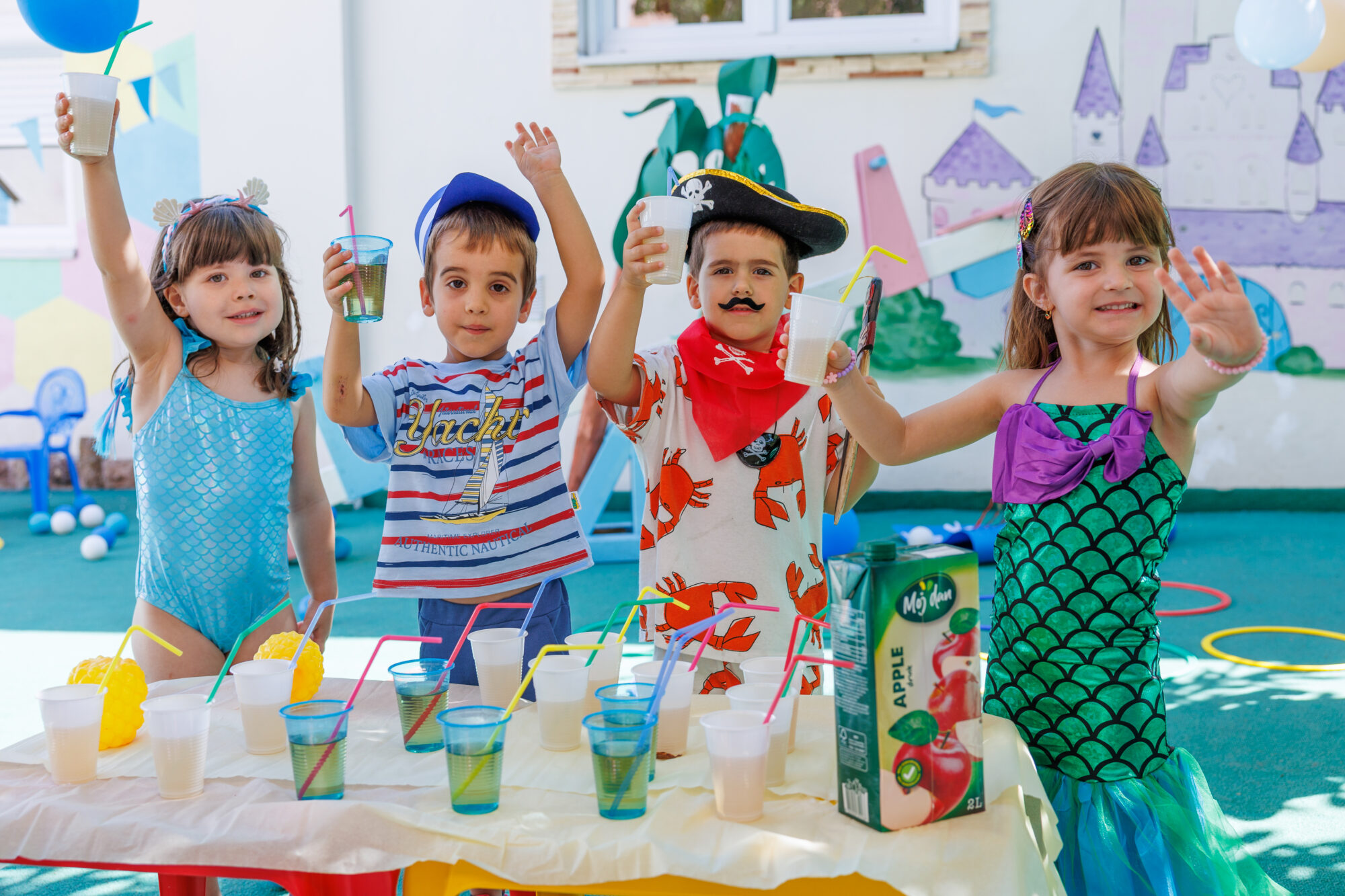
The good news is that this transition doesn’t have to be stressful for either the child or the parents, especially if it’s done gradually and with a bit of creativity.
Why is switching to a cup important?
Prolonged use of bottles and pacifiers can have some undesirable consequences:
It affects the development of teeth (increased risk of cavities)
It can slow the development of mouth and tongue muscles, which are important for speech
It creates a comfort-based habit that makes weaning more difficult later on
So, the transition to a cup is not just a dietary step, but an important step in proper development.
How to start the transition?
Choose the right moment The child should be ready – usually around 12 months of age, but this can vary. It’s best to start when there are no major life changes happening (such as starting daycare or the arrival of a sibling).
Offer an alternative Start with a cup that has a lid or a straw – this will provide a sense of security while gradually getting the child used to a new way of drinking.
Be consistent, but patient If you’ve decided to reduce bottle use, do it step by step: first eliminate it during the day, then before bedtime.
Turn learning into a game Children love imitation. Drink water together from cups and say: “Look how mommy/daddy drinks!” This way, the child will feel like they’re doing something “grown-up.”
Praise every success Every time the child drinks even a little from a cup, give praise. This builds a positive association.
Practical tips for a smooth transition
Let the cup be colorful, with a favorite character or the child’s favorite color.
Limit pacifier use to specific times (e.g., bedtime), and then gradually phase it out.
If the child protests, stay calm – offer the cup again later.
In the end – patience is key
Transitioning from bottles and pacifiers to a cup is a process, not something that happens overnight. Every child has their own rhythm, and it’s important to respect that. With patience, consistency, and a little creativity, this change can happen without stress – for both the child and the parents.
One last tip
It’s helpful to create a “farewell ritual” with the bottle or pacifier – put it away together or pack it in a box, and explain to the child that they’ve grown up and now drink from a cup like a “big kid.” That way, the child will feel it’s a natural step forward, not a loss of something important.